
White Label Smart Locks Without the Race to the Bottom: Differentiation Through a Patented Key-Swappable Design
Every white-label smart lock program starts with the same ambition — your brand, your channel, your margin — and runs into the same wall: the factory that assembles your lock assembles near-identical locks for the next buyer, and differentiation erodes until price is the only lever left. This article shows how a patented key-swappable module structure breaks that pattern, and what to check before choosing a white-label partner.中文摘要:贴牌智能锁项目往往始于同一个愿望——自有品牌、自有渠道、自有利润——却撞上同一堵墙:为你代工的工厂也在为下一个买家生产几乎相同的锁,差异化被磨平,最后只剩价格。本文讲清专利钥匙换模块结构(US 12,499,723 B1 · DE202025001780 · CN201610502753,多国专利保护)如何打破这一困局:10 秒钥匙换模块的销售故事、只备模块不备整锁的售后经济学、模块升级复购收入,以及选择贴牌伙伴前应核查的要点(专利可验证、FCC-ID/CE-RED、老化/盐雾/高低温质检、中山 2,500㎡ 工厂、不做线路板无 SMT)。(正文为英文)
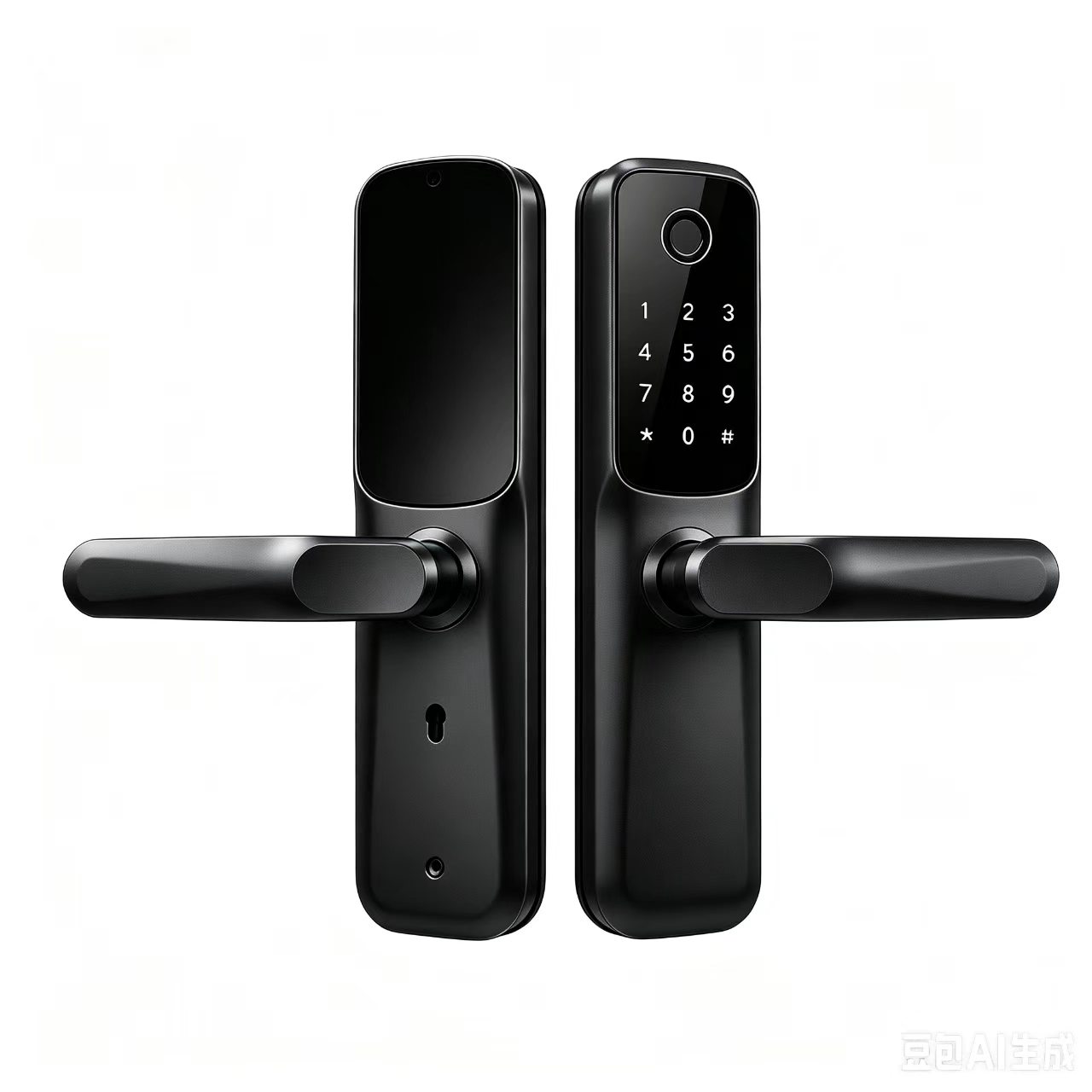
The White-Label Trap: Same Factories, Same Designs, Same Ending
The white-label model is attractive for good reasons: no R&D budget, no tooling investment, a product line under your own brand in months. The trap is structural. Most smart lock factories work from a small set of reference designs. Your exclusive model is often the same board, app SDK and housing your competitor bought last quarter — with a different logo lasered on.
Once two or three brands in a market sell functionally identical locks, the sales conversation compresses to one question: how much? Distributors squeeze you because they can source the same thing elsewhere; you squeeze the factory; the factory shaves cost. The brand you built becomes a label on a commodity — and marketing alone cannot escape that race to the bottom.
Why Differentiation Usually Dies at the OEM Stage
Real differentiation needs three properties: it must be visible enough to sell, valuable enough to pay for, and defensible enough to keep. Most customization options fail at least one of the three. Colors, finishes and packaging are visible but not valuable. App skins are visible but not defensible — any factory can copy them in weeks. Feature lists are valuable but rarely exclusive — the same features sit in the supplier's catalog for every other buyer.
The result: differentiation survives the pitch deck but dies at the OEM stage — the thing that makes your product different is rarely yours in any enforceable sense.
A Patented Structure Competitors Cannot Legally Copy
Trueway's answer is structural, not cosmetic. The key-swappable design — US 12,499,723 B1 · DE202025001780 · CN201610502753, plus design patents CN202630085403 / CN202630085870 — carries multi-country patent protection. The same mechanical key that opens the door turns 90° left to release the front-panel module; the module slides out, a replacement clicks in, in under 10 seconds, no tools. Competitors can imitate your color; they cannot legally imitate this mechanism.
For a white-label buyer this is the rare third case: a difference that is visible (any salesperson can demo it in ten seconds at a trade show), valuable (it changes the after-sales economics of every lock you sell), and defensible (patent numbers your legal team can verify and your marketing can cite).
What the Difference Is Worth Under Your Own Brand
The 10-second key module swap is a sales story, but it is also a cost story. A conventional smart lock fault means a technician visit at $50–$150, plus a returned unit or a full lock swap. On the Trueway platform, your customer or local staff swaps a $15–$45 module with the key — the lock body stays on the door. The platform is designed to cut after-sales service visits by up to 80%, which under your own brand means a lower warranty reserve and a faster service reputation.
Then the inventory story: Stock Modules, Not Locks. Instead of warehousing complete spare locks for every SKU in your catalog, you stock a short list of module SKUs that fit in a courier envelope. And the revenue story: because one lock body accepts multiple module configurations, upgrades and reconfigurations become module sales through your channel — repeat revenue from the installed base you already placed.
None of these stories require your customers to care about Trueway. Under your brand, they are simply the reasons your lock line is cheaper to run and harder to copy.
Generic White Label vs. Patented Key-Swappable Platform
| Generic White-Label Lock | Trueway Key-Swappable, Your Brand | |
|---|---|---|
| Product difference | Same reference design as competing brands | Patented mechanism competitors cannot legally copy |
| Demo story | Spec sheet and price | Live 10-second key module swap |
| After-sales fault | Technician visit, $50–$150 per call | Module swap by local staff, $15–$45 part |
| Spare-parts inventory | Complete spare locks per SKU | Stock Modules, Not Locks — module SKUs in envelopes |
| Revenue after the sale | Replacement lock sales only | Module upgrades and reconfigurations from the installed base |
| Margin defense | Price competition | Differentiation backed by multi-country patent protection |
How to Evaluate a White-Label Smart Lock Partner
Patent verifiability first. Ask for registration numbers and look them up in the official registries — Trueway's are published and verifiable. Second, certifications for your target market: Trueway products carry FCC-ID for the US and CE-RED for the EU, coverage a white-label program inherits with the hardware.
Third, quality-control depth. Trueway's 2,500㎡ factory in Zhongshan runs aging, salt-spray and high/low-temperature tests before packaging. Fourth, honest scope: the company assembles locks and modules but does not make circuit boards — there are no SMT lines, and electronic modules are sourced from qualified suppliers. That honesty matters: a factory that tells you exactly what it does and does not do is a factory whose other claims you can price against. Guangzhou Runfu Biotechnology Co., Ltd, founded December 2015, has refined this one platform rather than a catalog of disposable models.
Finally, MOQ and customization: white-label orders support your logo, packaging and documentation, with MOQ scaled to pilot runs before volume commitment — ask for current terms when you request a quote.
FAQ
Can I sell the Trueway key-swappable platform under my own brand?
Yes. White-label and OEM programs put your logo on the hardware, packaging and documentation, while the patented mechanism, app ecosystem and module system stay intact underneath. You are branding a platform, not just a product.
How do the patents protect my white-label business?
The key-swappable structure is covered by US 12,499,723 B1, DE202025001780 and CN201610502753, with design patents CN202630085403 and CN202630085870 on the product designs. Multi-country patent protection means competing factories cannot legally clone the mechanism — so the feature your marketing builds on stays yours to sell.
Which certifications come with a white-label order?
The hardware platform carries FCC-ID certification for the US market and CE-RED for the EU. Certification scope for your specific configuration and branding is confirmed during the quotation process, before you commit to volume.
What does Trueway actually manufacture in-house?
Lock bodies, assembly and full quality control — including aging, salt-spray and high/low-temperature testing — at the 2,500㎡ Zhongshan factory. The company does not operate SMT lines and does not make circuit boards; electronic modules are sourced from qualified suppliers.
What are typical MOQ and customization options for white label?
MOQ depends on model and configuration, quoted per project, with pilot quantities before volume runs. Customization covers logo, finishes, packaging, documentation and module configuration mix — the structure and patents stay standard, which is precisely what protects your margin.
Learn more: the Trueway product line · patents & certifications · 57-question B2B FAQ.
Related reading: Smart Lock Manufacturer in China: An OEM/ODM Buyer's Guide for Distributors · How to Write Smart Lock Tender Specifications That Protect Your Margin.
Questions about distributing TrueWay in your market?想了解在你的市场经销 TrueWay?